Relaxation Tips for a Calmer Lifestyle
Life today moves at a rhythm that rarely slows down, pulling attention in multiple directions at once. Between constant notifications, responsibilities, and emotional overload, finding inner calm often feels like searching for silence in a crowded room.
Yet beneath all that noise, there is a growing awareness that balance is not a luxury, it is a necessity. People everywhere are beginning to rethink how they manage energy, time, and mental space.
In this context, daily relaxation techniques become more than just habits; they evolve into essential tools for maintaining emotional stability and mental clarity.
Building Daily Relaxation Habits
Small habits, when repeated consistently, shape the emotional architecture of your day. The way mornings begin and evenings end can determine whether stress accumulates or gently dissolves.
The idea of structured calm is no longer abstract. It is practical, measurable, and deeply personal when applied with intention.
The effective relaxation tips guide approach suggests that relaxation should be integrated into everyday routines rather than treated as an occasional escape.
Creating a peaceful routine
A peaceful routine begins with predictability. Waking up at a consistent time, reducing rushed movements, and allowing space for quiet reflection can shift the entire tone of the day. As mindfulness expert Jon Kabat-Zinn once noted, “You can’t stop the waves, but you can learn to surf.” This reflects how structure helps navigate emotional fluctuations.
Managing digital distractions
Digital overload is one of the biggest disruptors of calm. Constant scrolling fragments attention and reduces mental recovery time. Turning off non-essential notifications and setting screen boundaries creates mental breathing room that supports emotional reset.
Prioritizing personal downtime
Personal downtime is not wasted time, it is recovery time. Whether it is sitting quietly, journaling, or simply doing nothing, these pauses restore cognitive balance and prevent burnout from building silently over time.
Effective Stress Relief Techniques
Stress is not only psychological; it is also physiological. The body stores tension in subtle ways, and releasing it requires both awareness and action. Learning to regulate stress responses can significantly improve emotional resilience.
There is a growing global interest in stress management, mindfulness practices, and anxiety relief strategies that support long-term well-being rather than short-term fixes.
Deep breathing exercises
Controlled breathing slows the nervous system and signals the body to relax. Simple inhalation and exhalation cycles can reduce cortisol levels and restore calm within minutes. These techniques are often recommended for those seeking simple breathing exercises for anxiety relief in high-pressure moments.
Mindfulness practices
Mindfulness is the art of being present without judgment. It allows thoughts to pass without attachment. Meditation, body scanning, and mindful observation are all tools that strengthen emotional awareness. As Deepak Chopra explains, “In the silence of the mind, the universe speaks most clearly.”
Gentle physical activities
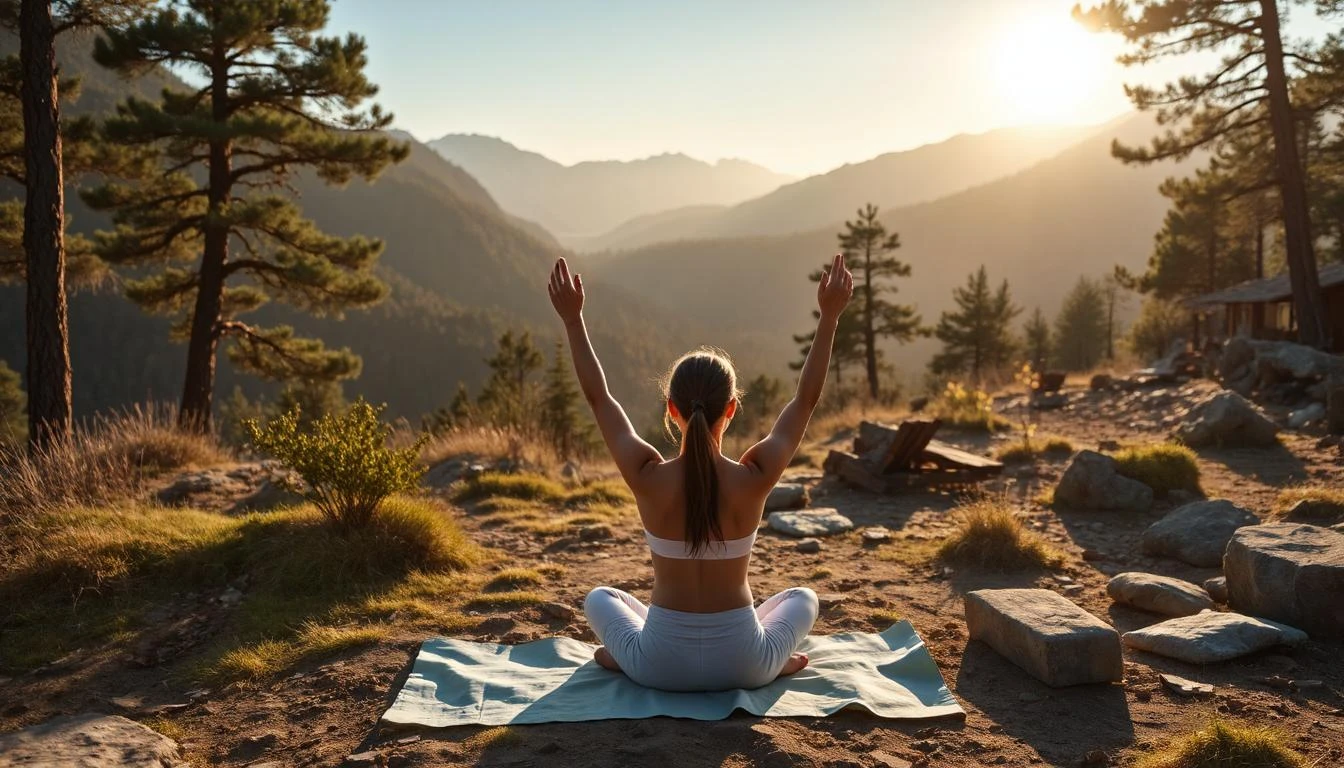
Movement does not need to be intense to be effective. Walking, stretching, or light yoga helps release stored tension while improving circulation. These practices bridge the gap between physical health and emotional stability.
Creating a Relaxing Environment
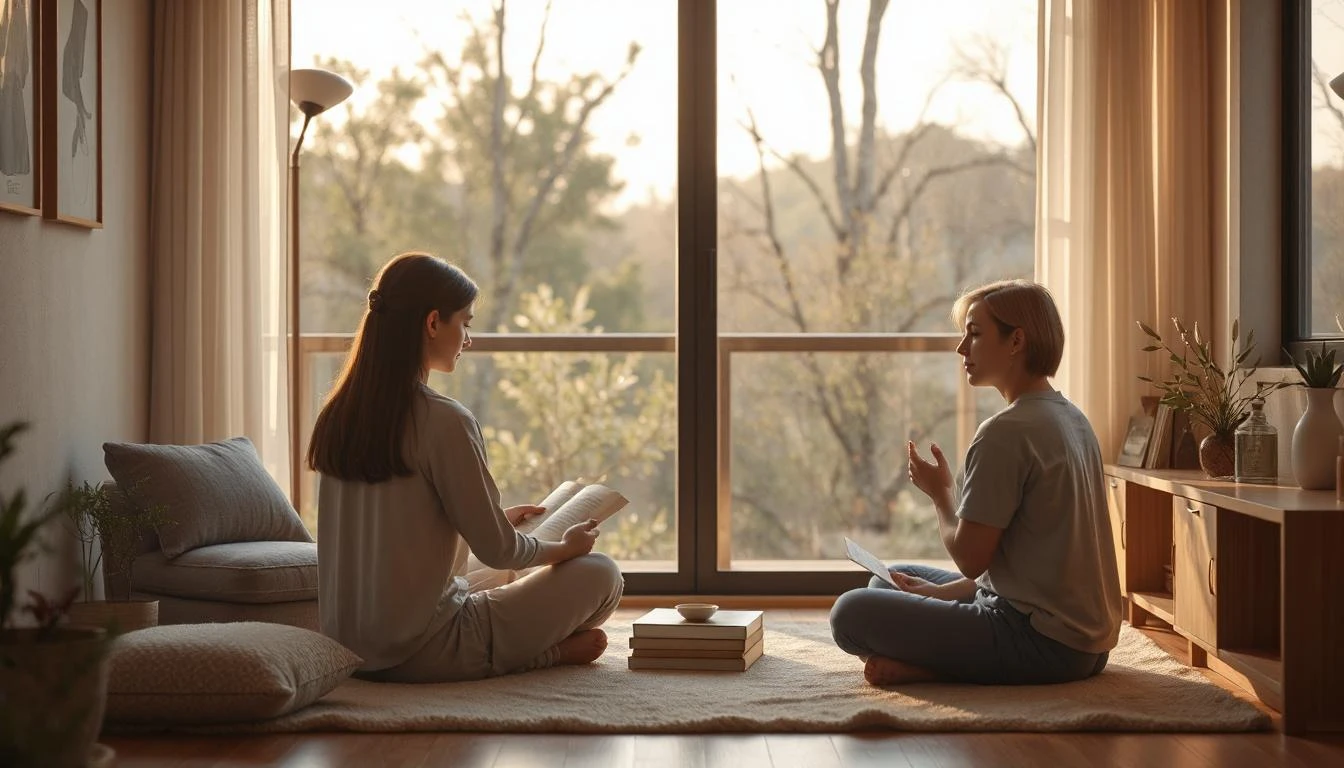
The spaces we inhabit influence the state of our minds more than we often realize. A cluttered environment can quietly amplify stress, while an organized and calming space can act as a sanctuary.
Environmental psychology increasingly highlights the connection between surroundings and mental clarity, especially in discussions around sleep hygiene and mental wellness routines.
Organizing your living space
A tidy environment reduces cognitive overload. Removing unnecessary clutter and arranging belongings intentionally creates visual calm. Even small adjustments can transform the emotional tone of a room.
Using calming scents and sounds
Aromatherapy and ambient soundscapes influence mood directly. Lavender, sandalwood, or soft instrumental music can encourage relaxation and emotional grounding, especially after long and demanding days.
Improving sleep quality
Sleep is the foundation of emotional recovery. Consistent sleep schedules, reduced blue light exposure, and a calm pre-sleep routine improve rest quality significantly. Better sleep leads to better emotional regulation the next day.
Long Term Lifestyle Changes for Calmness
Sustainable calm is built through long-term adjustments rather than temporary solutions. Lifestyle alignment plays a key role in reducing chronic stress and preventing emotional exhaustion.
Modern research emphasizes burnout prevention, work-life balance improvement, and mental clarity enhancement as core pillars of a stable emotional life.
Healthy work life boundaries
Blurring the line between work and personal life often leads to emotional fatigue. Setting clear boundaries ensures that rest is protected and productivity remains sustainable.
Positive mindset development
Thought patterns shape emotional reality. Reframing challenges, practicing gratitude, and focusing on progress rather than perfection help create a more balanced internal narrative.
Consistent self care habits
Self-care is not occasional indulgence, it is maintenance. Regular exercise, hydration, rest, and emotional reflection create long-term stability in both mental and physical health.
Embrace a More Relaxed Lifestyle Starting Today
A calmer life is not created overnight; it is built through repeated choices that honor both mind and body. Every small decision toward rest, clarity, and balance contributes to a larger transformation in how life is experienced.
Psychologist Carl Rogers once emphasized that “the good life is a process, not a state of being.” This reminds us that calmness is not a destination but an evolving practice shaped daily through awareness and intention.
When you begin applying daily relaxation techniques consistently, stress no longer defines your rhythm, it becomes something you can observe, manage, and release with greater ease.
A quieter, more centered life is not out of reach; it is already within the structure of your daily choices.
Start small, stay consistent, and let calm become your natural state of being.
Take a moment today, your mind will thank you.